
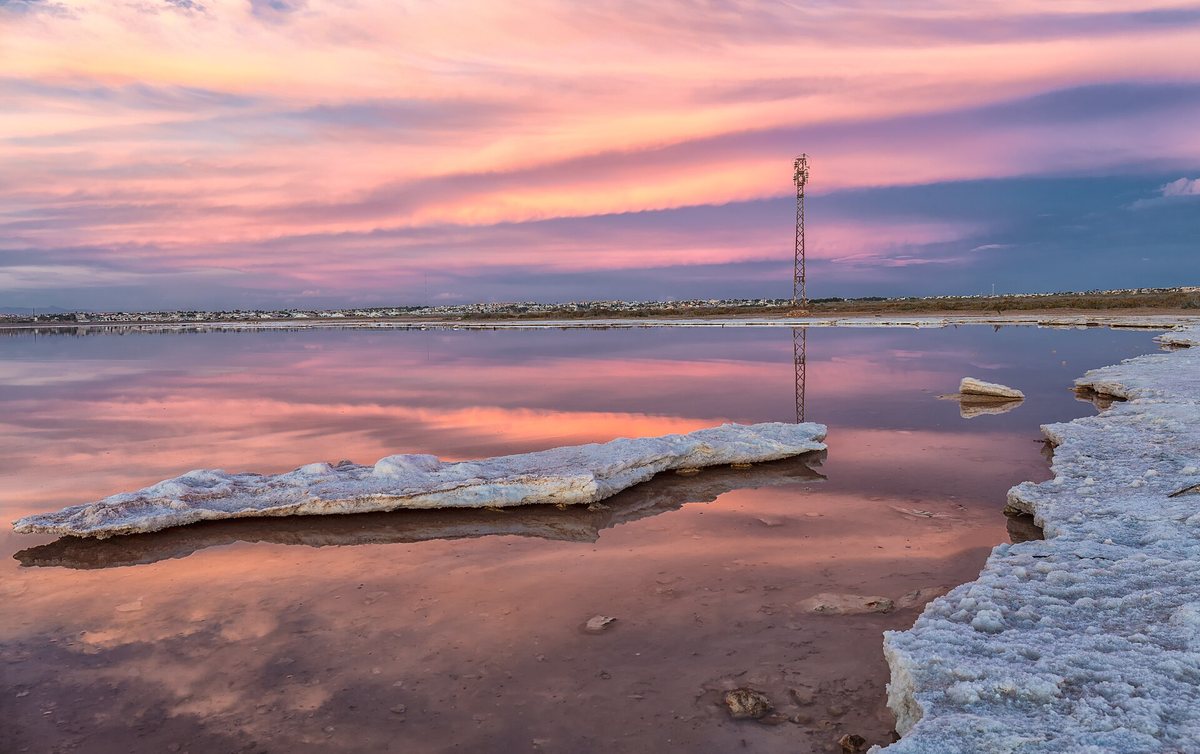
The area
Torrevieja: salt lakes, the sea and a submarine
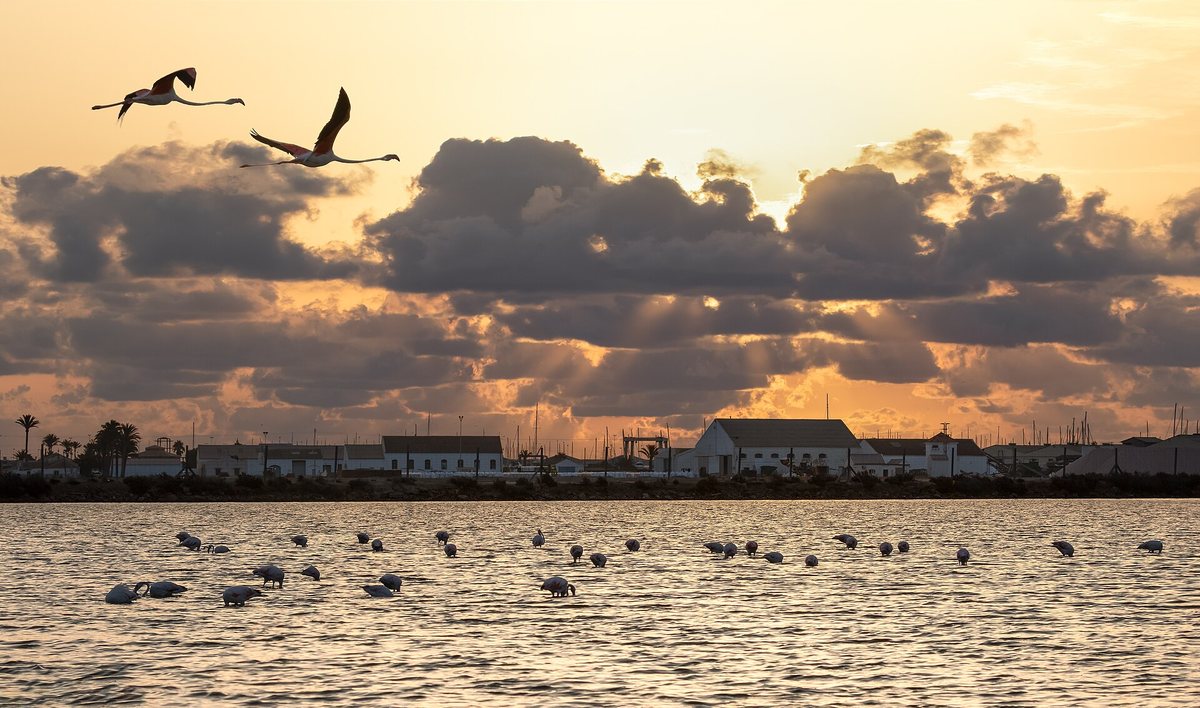
A pink lake where salt has been harvested since the Middle Ages, a promenade along the rocks and a submarine you can walk through. About 25 minutes by car.
A town built on salt
Torrevieja lies some 24 kilometres north of Pilar de la Horadada. Salt has shaped the town for centuries: it was already being harvested from the La Mata and Torrevieja lagoons in 1321. Together, the two lakes form a natural park of more than 3,700 hectares.
For a morning or an afternoon, choose between the nature of the salt lakes and the town with its seafront, harbour and museums. If you want both, start at the lake and finish with a walk by the sea.
The pink lake
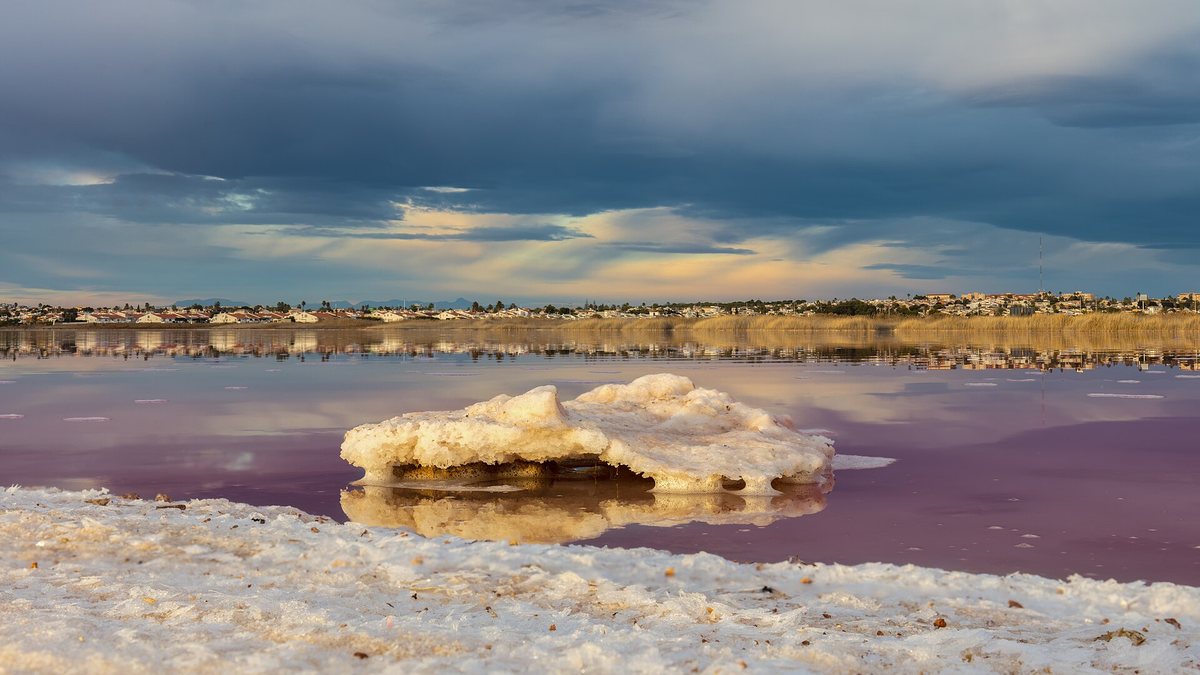
Why the water is pink
The Torrevieja lagoon covers about 1,400 hectares and is extremely salty: around 350 grams per litre. The water is home to the microalga Dunaliella salina, which produces beta-carotene. Together with salt-loving bacteria, it gives the lake its pink colour, which is strongest in the hottest months. The La Mata lagoon, a little further north, usually stays green.
Swimming and mud bathing are prohibited in both lagoons, partly because salt-harvesting machinery stands under the water. You admire the lake from the shore and the paths of the natural park. For a mud bath, head to Lo Pagán, 8 kilometres from the penthouse.
Natural park
Walking by the salt lakes
The Parque Natural de las Lagunas de La Mata y Torrevieja has been a protected natural park since 1996.
La Mata visitor centre
At kilometre 64.5 of the N-332, a 400-metre road leads to the visitor centre. Opening hours are not published online, so check before you go.
Birdwatching
There are several bird hides around the La Mata lagoon. An easy birdwatching route of about 8 kilometres follows the shore.
Free Ecorutas
The town runs free guided walks, usually at 10:00 from the visitor centre. Places are limited: book via turismodetorrevieja.com.
The seafront
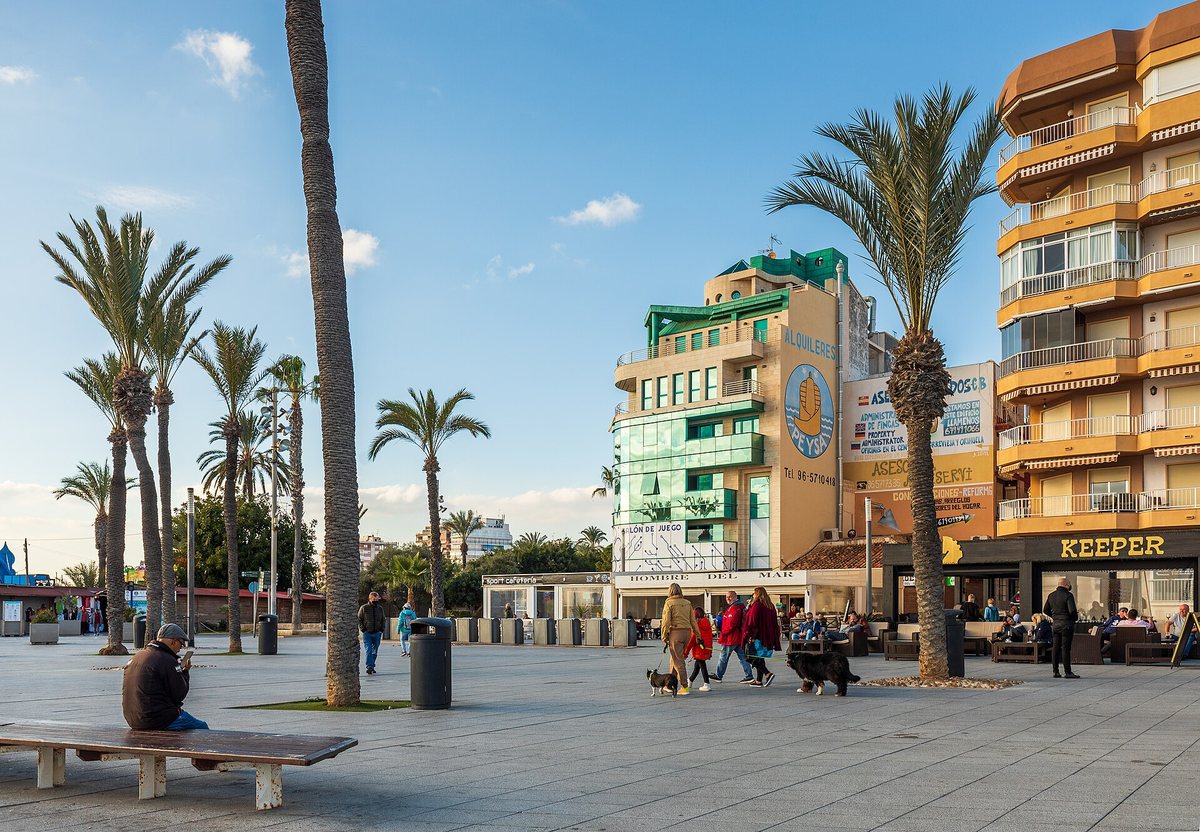
Along the rocks of Juan Aparicio
The Paseo Juan Aparicio runs from Paseo de la Libertad to Avenida de los Marineros. Breakwaters create sheltered swimming spots, and along the way you pass the monument to the seafarer and the La Bella Lola statue.
Museums
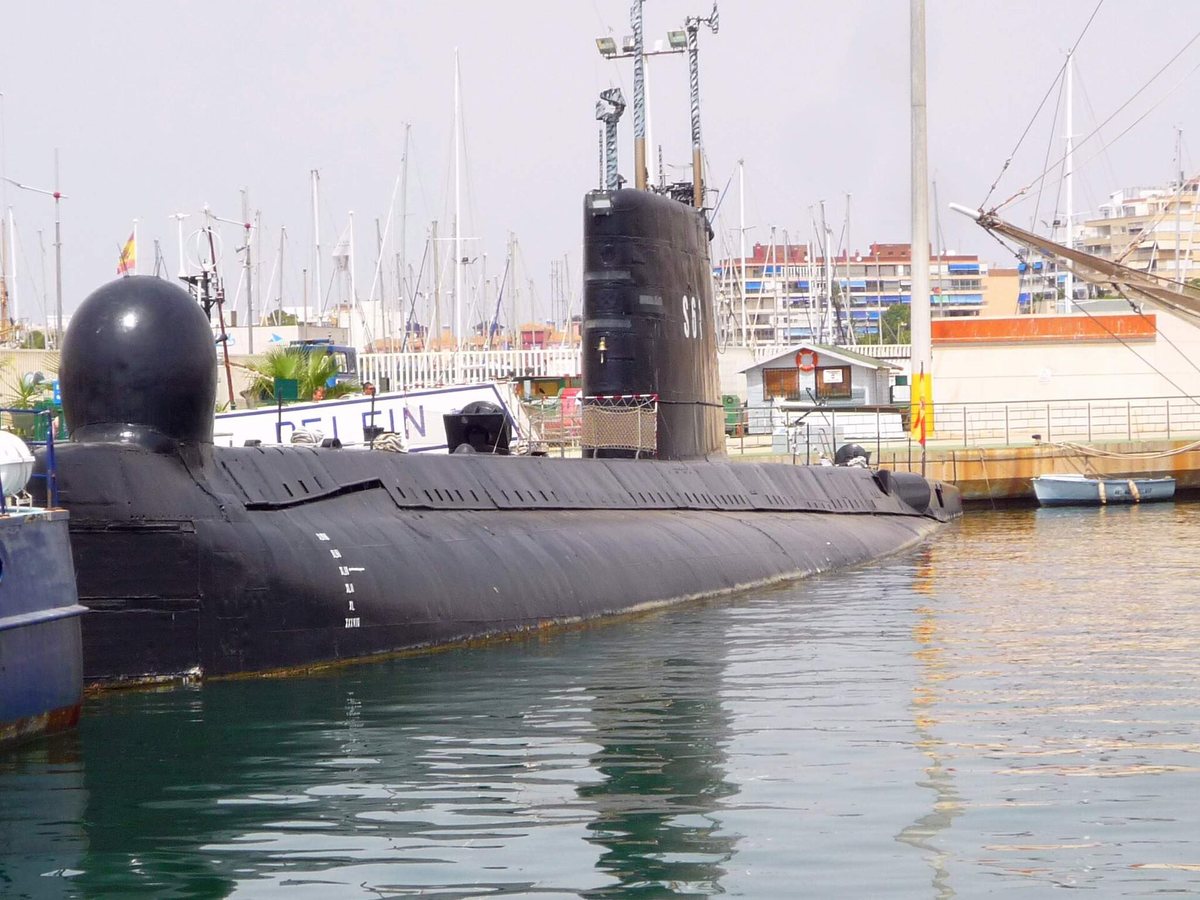
Inside a submarine
The S-61 Delfín submarine is moored in the harbour. In 2004 it became the first Spanish Navy vessel to be turned into a floating museum. The Albatros III patrol boat lies alongside. Entry costs €2; the vessels are closed on rainy days and public holidays.
Nearby, on Calle Patricio Pérez, the free Museo del Mar y de la Sal tells the story of salt harvesting, fishing and shipbuilding, with many ship models. Published opening hours: Tuesday to Friday, 10:00 to 14:00.
Practical
Market, park and boat
A few addresses for a day in Torrevieja.
| What | When | Good to know |
|---|---|---|
| Torrevieja weekly market | Friday 8:00–14:00, all year | Avenida Delfina Viudes, next to the water park |
| La Mata market | Wednesday morning | Avenida de Francia |
| Parque de las Naciones | All year | Free park with a small lake and a big playground with a dragon slide |
| Aquópolis | Summer only | Water park on Avenida Delfina Viudes |
| Boat to Tabarca | See the timetable | Marítimas Torrevieja sails from the fishing pier; about an hour each way, with underwater viewing |
Times, seasons and prices change. Check the operator’s website before you go.
Culture
The town of the habanera
The habanera, a song style with Cuban roots, belongs to Torrevieja. Paseo Vista Alegre has monuments to choral singers and musicians, and every year in late July the town hosts the Certamen Internacional de Habaneras y Polifonía, a choral competition of International Tourist Interest. 2026 saw its 72nd edition.
Frequently asked questions
Can you swim in the pink lake at Torrevieja?
When is the lake at its pinkest?
When is the market in Torrevieja?
How far is Torrevieja from the penthouse?

Your base on the Costa Blanca
After a day out, the roof terrace is waiting. See when the penthouse is available.